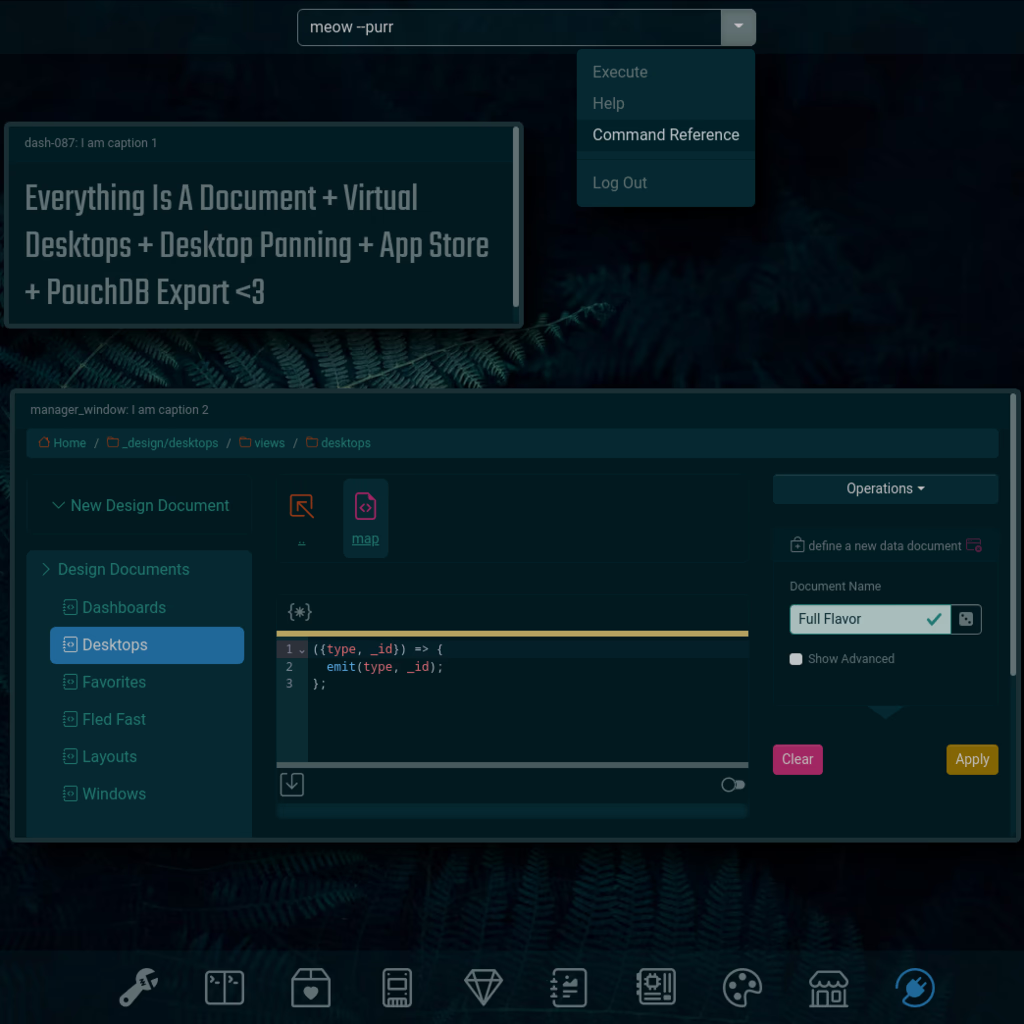
I write small holiday scripts with Greasemonkey (or Tampermonkey) to extend browsers, turning UserScripts into a bridge between my web‑based OS and external APIs; after experimenting with simple P5.js sketches like a screensaver I built a lightweight terminal that emits command events onto an OS event bus, letting a single script control many functions via HTTP requests or network messages—an approach that turns a basic “Potato” program into a versatile code base linking browser add‑ons, Android APIs and web services.